
Religious Unity and Political Division
The Social ContractThis flow follows Rousseau’s account of religion as a source of political cohesion and division, culminating in his proposal for a limited civil profession of faith.
increasing Bearing strength in each event
 decreasing
Bearing strength in each eventdecreasingAncient Cults Follow States
Ancient Cults Follow States
National Gods
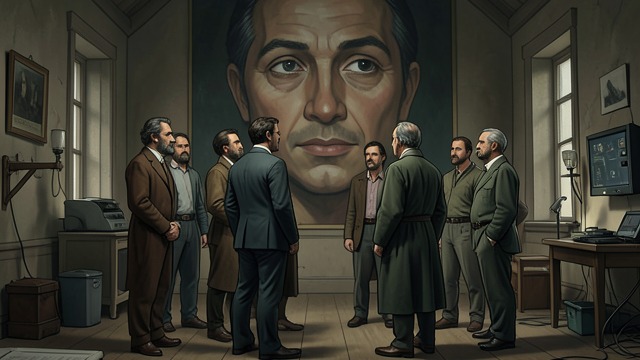
Rousseau describes early peoples as joining public worship to political membership. Different states had different gods, so religious and political boundaries largely coincided.
War and Allegiance
In this account, conflict between states could also be theological. Religious belonging supported civic loyalty but encouraged hostility toward outsiders.
Christianity Separates Powers

Christianity Separates Powers
A Spiritual Kingdom
Rousseau argues that Christianity introduced a religious allegiance distinct from the State. Citizens could now answer to both civil and ecclesiastical authorities.
Divided Obedience
This division creates competing claims over duties and public authority. The conflict is institutional, not merely a disagreement about belief.
Church Claims Political Ground
Church Claims Political Ground
Corporate Authority
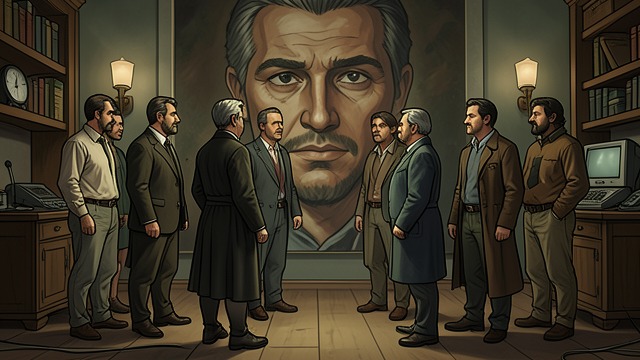
Where clergy form a united body, Rousseau says they can become an independent political power. The State then faces a rival source of obedience.
Sovereignty at Risk
If religious authorities control civil status or public duties, government no longer commands a single political allegiance. The sovereign order is divided from within.
Three Religions Compared
Three Religions Compared
Human, Citizen, and Priest
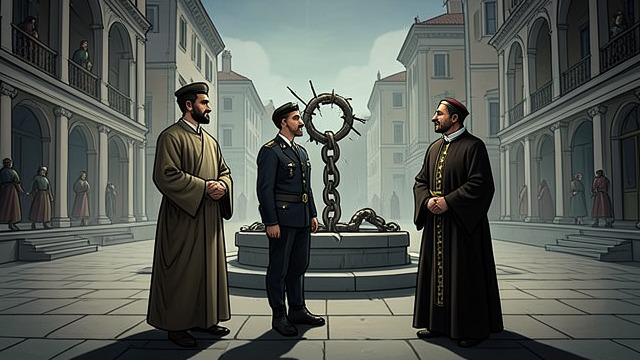
Rousseau distinguishes inward moral religion, civic religion tied to a polity, and a priestly religion that divides allegiance between two authorities.
Political Consequences
The categories are judged by their effects on civic unity. A religion that makes citizens answer to contradictory obligations threatens the State’s cohesion.
Civil Profession Proposed
Civil Profession Proposed
Minimal Public Commitments
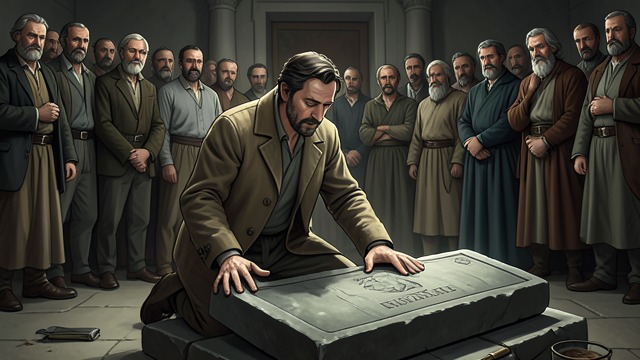
Rousseau proposes a small civic profession centered on moral conduct, the social compact, and the laws. It is not meant to settle every theological question.
Tolerance with a Boundary
He accepts diverse religions when they tolerate others and support civic duties, yet also defends sanctions for beliefs deemed anti-social. The proposal resolves one conflict by creating another.
Book IV, Chapter VIII, in the account of pagan political religion
Book IV, Chapter VIII, after the rise of Christianity
Book IV, Chapter VIII, in the discussion of clerical power
Book IV, Chapter VIII, at the classification of religions
Book IV, Chapter VIII, in the final proposal
